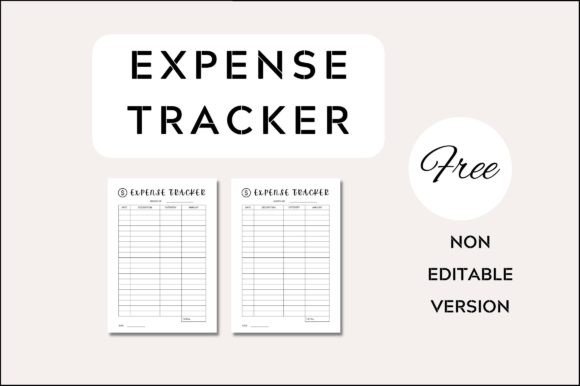
Strategic Financial Clarity: Mastering Your Cash Flow with a Free Expense Tracker
Financial stability is rarely the result of a single windfall; it is the cumulative outcome of consistent, informed decisions. For entrepreneurs, freelancers, and small business owners, the difference between thriving and merely surviving often lies in the granularity of their financial oversight. A Free Expense Tracker serves as more than a simple ledger; it is a strategic instrument designed to illuminate cash flow patterns, identify inefficiencies, and empower you to allocate resources where they generate the highest return. By moving from reactive spending to proactive management, you transform raw data into actionable intelligence.
The modern professional operates in a dynamic environment where expenses can fluctuate wildly based on project cycles, seasonal demands, or unexpected operational shifts. Relying on memory or scattered receipts is a recipe for error. Implementing a structured tracking system allows you to visualize your financial health in real-time. This clarity is essential not just for tax compliance, but for strategic planning. When you understand exactly where every dollar goes, you gain the leverage needed to negotiate better rates, cut unnecessary overhead, and invest in growth opportunities with confidence.
Transforming Data into Strategic Advantage
At its core, an expense tracker is a decision-support tool. However, its value is multiplied when approached with intentionality. Many individuals download templates and fill them out sporadically, treating the task as a chore rather than a critical business function. To derive true value, you must view the Free Expense Tracker as a living document that informs your broader business strategy.
Consider the role of positioning. If you are a consultant or a creative professional, your pricing model must reflect not only your time but also your operational costs. Without precise tracking, you risk underpricing your services, effectively subsidizing your clients with your own profit margin. By meticulously logging expenses—from software subscriptions to office supplies—you build a comprehensive picture of your cost basis. This data empowers you to set prices that ensure sustainability and profitability, reinforcing your market position as a serious, viable entity.
Furthermore, these trackers facilitate better communication with stakeholders. Whether you are presenting a budget proposal to an investor, discussing retainers with a client, or reviewing performance with a partner, having organized, verifiable data enhances your credibility. It demonstrates a level of professionalism and operational maturity that fosters trust. In this context, the tracker becomes a communication asset, bridging the gap between abstract financial concepts and concrete reality.
Customization and Adaptability for Diverse Needs
One size rarely fits all in business operations. The utility of a digital template lies in its flexibility. The included Editable Expense Tracker is designed to be molded to your specific workflow, ensuring that the tool serves you, rather than forcing you to adapt to rigid constraints. Built using Canva, a versatile online graphic design tool, these templates offer a level of customization that static spreadsheets often lack.
You have full control over the visual and structural elements of the tracker. This includes the ability to modify:
- Images and Branding: Incorporate your logo and brand colors to maintain professional consistency across all your documents.
- Fonts and Typography: Adjust text styles to improve readability or align with your corporate identity guidelines.
- Layout and Elements: Add or remove columns, resize sections, and rearrange components to prioritize the metrics that matter most to your specific industry.
- Background Colors: Use color coding to categorize expenses visually, making pattern recognition faster and more intuitive.
This adaptability is crucial for different use cases. A freelance photographer might need to track equipment rentals and travel costs differently than a digital marketer managing ad spend and software licenses. The ability to resize the document to any dimension ensures that whether you are printing an A4 report for a meeting or displaying a dashboard on a screen, the presentation remains crisp and professional. The templates support export in various formats including PNG, SVG, JPG, and PDF, allowing seamless integration into your existing digital ecosystems.
Operational Efficiency and Time Management
Time is a non-renewable resource, particularly for solopreneurs and small teams. The administrative burden of financial management can easily encroach on time better spent on product development, client acquisition, or creative work. Pre-built templates significantly reduce the setup time required to establish a robust tracking system. Instead of spending hours designing a layout from scratch, you can download, customize, and begin tracking immediately.
This efficiency supports a culture of productivity. When the barrier to entry for tracking is low, consistency increases. Regular updates prevent the end-of-month "receipt scramble," reducing stress and minimizing the risk of overlooked deductions. By saving priceless time on administrative setup, you free up mental bandwidth to focus on high-level strategic thinking. The template acts as a scaffold, supporting your operations without demanding excessive maintenance.
It is important to note, however, that while the template structure is provided, the final imagery should be your own. The package includes sample files to demonstrate potential layouts, but for professional deployment, you should replace placeholder images with your specific branding or relevant graphics before exporting. This ensures that the final output is unique to your business and ready for external distribution if necessary.
Risks of Unstructured Tracking and How to Mitigate Them
While the tools are powerful, their effectiveness is contingent upon the user's approach. A common pitfall is adopting a tracker without defining clear goals. If you track expenses simply for the sake of it, without analyzing the data or connecting it to broader objectives, the exercise becomes performative rather than productive. You may end up with a beautifully designed document that offers no real insight into your financial trajectory.
To avoid this, establish a framework for review. Decide in advance what questions you want the data to answer. Are you trying to reduce overhead by 10%? Are you assessing the ROI of a specific marketing campaign? Is your goal to build a six-month emergency fund? Your tracking categories and frequency of review should align with these objectives. Without this context, you risk drowning in data while starving for wisdom.
Another risk is inconsistency. A tracker is only as accurate as the data entered into it. Sporadic updates lead to gaps in information, which can distort your understanding of cash flow. To mitigate this, integrate the tracking process into your weekly routine. Treat it with the same discipline as client meetings or project deadlines. The editable nature of the template allows you to streamline this process, perhaps by creating a simplified daily log version alongside a comprehensive monthly summary.
Long-Term Value and Sustainable Growth
The ultimate goal of utilizing a Free Expense Tracker extends beyond balancing the books for the current month. It is about building a foundation for long-term sustainability and growth. Historical expense data provides a baseline for forecasting future costs, enabling more accurate budgeting and resource allocation. This foresight is critical when scaling operations or navigating economic downturns.
Moreover, disciplined expense management cultivates a mindset of accountability. It encourages you to evaluate every expenditure through the lens of value creation. Over time, this habit leads to more prudent decision-making across all areas of your business. You become more adept at distinguishing between essential investments and discretionary spending, optimizing your capital structure for maximum efficiency.
For educators, publishers, and content creators, these templates also serve as valuable assets for teaching financial literacy or providing value to an audience. Sharing a customized version of the tracker can enhance your brand's reputation as a helpful authority, fostering deeper engagement with your community.
Implementation Strategy for Immediate Impact
To maximize the benefits of the Editable Expense Tracker Template, follow a structured implementation path:
- Download and Assess: Acquire the digital download and review the sample files to understand the available layout options.
- Customize Strategically: Open the file in Canva. Modify the colors, fonts, and elements to match your brand identity. Ensure the categories reflect your specific expense types.
- Define Your Metrics: Determine which key performance indicators (KPIs) you will track. Set clear targets for cost reduction or savings goals.
- Establish a Routine: Schedule a specific time each week to update the tracker. Consistency is key to maintaining data integrity.
- Review and Iterate: At the end of each month, analyze the data. Look for trends, anomalies, and opportunities for optimization. Adjust your strategy and the template itself as your business evolves.
By approaching the Free Expense Tracker with a strategic mindset, you transform a simple administrative task into a powerful driver of business success. It is not just about recording numbers; it is about understanding the story those numbers tell and using that narrative to steer your enterprise toward a more prosperous future. With the right tools and a disciplined approach, you can achieve greater financial clarity, make more informed decisions, and secure the longevity of your professional endeavors.