Mastering Your Brand with Real Estate LinkedIn Stories Templates
In the fast-paced world of property sales, visibility is currency. For real estate agents, LinkedIn has evolved from a simple resume repository into a dynamic platform for networking and lead generation. However, maintaining a consistent presence requires more than just occasional text updates; it demands visual storytelling. This is where Real Estate LinkedIn Stories Templates become an indispensable asset. These pre-designed graphics allow agents to announce sales, showcase new listings, and promote open houses with professional polish, all without needing a degree in graphic design.
Despite the clear benefits, many professionals stumble when integrating these tools into their workflow. The mistake often isn't in buying the templates, but in how they are selected, customized, and deployed. By understanding common pitfalls, you can ensure your digital presence actually converts viewers into clients rather than just adding noise to their feed.
The Trap of Generic Customization
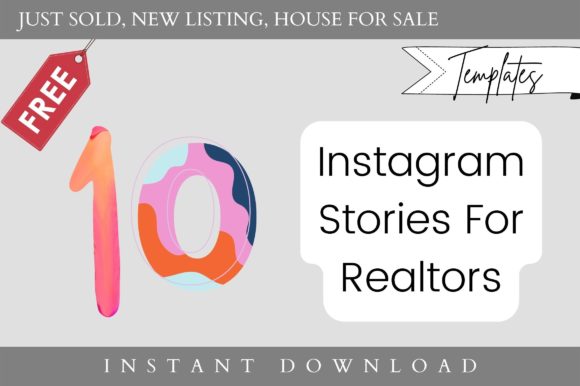
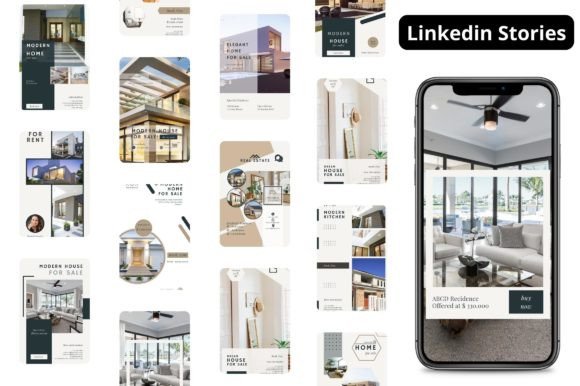
One of the most frequent errors agents make is treating editable files as "fill-in-the-blank" forms rather than flexible design systems. When you download a bundle containing 110 templates covering categories like Just Sold, New Listings, and Dream Home, the temptation is to simply swap the photo and change the address. While this saves time, it often results in a feed that looks robotic and impersonal.
If you leave the default fonts or background colors untouched across every post, your brand loses its unique voice. Prospective clients want to connect with a person, not a corporation using a stock layout. A better approach involves utilizing the full editability of tools like Canva. Since these templates allow you to modify images, colors, fonts, and elements, take the extra few minutes to align them with your specific branding guidelines. Change the background color to match your logo, adjust the typography to reflect your style, and ensure the tone of the imagery matches the neighborhood you are selling. This small effort transforms a generic template into a powerful brand statement.
Overlooking Platform Specifics and Dimensions
Another significant oversight involves ignoring the technical requirements of the platform. LinkedIn Stories have a specific vertical aspect ratio, typically 1080 x 1920 pixels. Some agents attempt to repurpose horizontal flyers or square Instagram posts by stretching them to fit the story format. This distorts images, makes text unreadable on mobile devices, and signals a lack of attention to detail—a trait no one wants in their real estate agent.
The templates in a dedicated bundle are already sized correctly for LinkedIn, but problems arise when users try to resize them incorrectly for other platforms without checking the output. Because these files are vector-friendly or high-resolution raster images (available in PNG, SVG, JPG, and PDF), you have the freedom to resize them without losing quality. However, always preview your design on a mobile device before publishing. What looks crisp on a desktop monitor might appear cluttered on a smartphone screen. Ensure that critical information, such as the price or the "Open House" date, is placed within the safe zones where interface elements won't cover them.
Misunderstanding the Scope of Content
Many agents limit their use of stories to only "hard sell" moments, such as posting a Home For Sale or a For Rent sign. While these are essential, a feed consisting entirely of sales pitches can feel aggressive and drive engagement down. A comprehensive bundle usually includes a mix of templates, including lifestyle-oriented designs like Dream Home or community highlights. Failing to utilize these varied templates is a missed opportunity to build rapport.
To avoid this, adopt a balanced content strategy. Use the Just Sold templates to demonstrate competence and social proof, but intersperse them with educational content or market insights using the blank or mixed-layout templates. For instance, share a quick video tour overlaying a New Listing template, or use a For Sale Offers design to explain the current bidding war dynamics in your local market. This variety keeps your audience engaged and positions you as a knowledgeable advisor rather than just a salesperson.
Neglecting File Formats and Workflow Efficiency
Efficiency is the primary reason to invest in a digital download bundle, yet some users complicate their workflow by choosing the wrong file formats or failing to organize their assets. A robust bundle offers flexibility: PNGs for quick uploads, PDFs for printing physical flyers, and editable links for Canva. A common mistake is downloading every format at once and creating a disorganized folder structure, leading to wasted time searching for the right file during a busy showing day.
Streamline your process by identifying your primary workflow. If you edit on the go using a tablet, ensure you are comfortable with the Canva link provided. If you need to print high-quality brochures for an open house, prioritize the PDF versions. Remember, these templates are designed to save priceless time. By setting up your brand kit within Canva once—saving your specific hex codes, logos, and preferred fonts—you can customize any of the 110 templates in just a few clicks. This preparation prevents the frustration of trying to re-brand a template from scratch every single time you post.
Evaluating Quality Before Commitment
Before integrating any template set into your marketing stack, it is crucial to evaluate the quality of the design itself. Not all "editable" templates are created equal. Poorly constructed templates may have locked elements that cannot be moved, low-resolution placeholder images that pixelate when replaced, or color palettes that clash irreconcilably with your brand. Always check if the template allows for true customization of elements and background colors.
Look for bundles that explicitly state they are compatible with free tools like Canva, ensuring you don't incur unexpected subscription costs. Verify that the package includes a diverse range of scenarios—from Open House announcements to Mix layouts for general updates. A versatile collection ensures you aren't forced to buy multiple packs later, which increases costs and fragments your design language. High-quality templates should feel intuitive; if you find yourself fighting the design to make it work, it may be time to seek a more user-friendly alternative.
Ultimately, the goal of using Real Estate LinkedIn Stories Templates is to elevate your professional image while reclaiming hours of your week. By avoiding the traps of lazy customization, ignoring technical specs, and limiting content variety, you can leverage these tools to their fullest potential. When used correctly, these templates do more than just fill a feed; they build a cohesive, trustworthy brand that resonates with buyers and sellers alike.