Simple Commercial Lease Agreement Guide
Securing a physical location is often the most significant step a business takes toward legitimacy and growth. Whether you are opening a boutique retail shop, launching a co-working space, or leasing office space for a startup, the foundation of that relationship lies in the contract. A Simple Commercial Lease Agreement serves as this critical framework, outlining the rights and responsibilities of both the landlord and the tenant. Unlike residential leases, which are heavily regulated to protect individual tenants, commercial leases offer more flexibility but require greater attention to detail regarding liability, maintenance, and usage terms.
The value of having a clear, editable, and professional template cannot be overstated. In the past, businesses often relied on expensive legal counsel to draft these documents from scratch or settled for outdated, generic forms found online. Today, accessible digital tools allow entrepreneurs to utilize premium, customizable templates that look professional and cover necessary legal provisions without breaking the bank. This shift empowers users to take control of their administrative processes, ensuring their brand appears established and trustworthy from day one.
Why the Right Template Matters for Different Users
The importance of a well-structured lease agreement varies significantly depending on who is holding the pen. For a seasoned property manager, the priority might be speed and consistency across multiple properties. For a first-time entrepreneur, the focus is often on understanding the clauses to avoid future pitfalls. A high-quality, editable template bridges this gap by providing a solid legal baseline that can be adapted to specific needs.
Consider the small business owner. Their primary concern is often cash flow and minimizing overhead. Spending thousands on legal fees for a standard lease can drain resources needed for inventory or marketing. An editable template allows them to input specific details—such as rent amounts, lease duration, and permitted uses—quickly. They can customize fonts and colors to match their brand identity, making the document feel less like a cold legal instrument and more like a partnership agreement. This level of presentation helps build confidence with landlords and investors alike.
On the other hand, freelancers and creators who decide to rent a studio space may have different priorities. They might need clauses that specifically address intellectual property protection within the leased space or rules regarding client visits and noise levels. A rigid, non-editable PDF would fail them here. However, a drag-and-drop editable template allows them to insert these niche requirements easily. They can resize elements to highlight critical sections or add appendices related to their specific creative workflow.
Evaluating Ease of Use and Flexibility
One of the biggest hurdles in adopting new administrative tools is the learning curve. Professional graphic design software can be intimidating for those without a technical background. This is where tools like Canva change the landscape. By offering a Simple Commercial Lease Agreement template designed for such platforms, the barrier to entry is removed. Users do not need to know code or complex formatting rules; they simply drag and drop their contact information, adjust the text, and export.
This flexibility extends to the format of the final document. Depending on the situation, a user might need a high-resolution PDF for printing and signing physically, or a digital-friendly version for email distribution. The ability to download in various formats—including PNG, SVG, JPG, and PDF—ensures that the document works seamlessly across different devices and workflows. For educators teaching business law or entrepreneurship, these templates serve as excellent practical examples. They can demonstrate how changing a single clause alters the risk profile of a lease, providing tangible learning value without the mess of handwritten drafts.
Moreover, the visual aspect plays a subtle but important role in negotiations. A document that looks polished, with consistent typography and clean layout, signals professionalism. It suggests that the tenant is organized and serious about their business. Conversely, a sloppy, poorly formatted agreement can raise red flags for a landlord, potentially jeopardizing the deal. Customizable templates allow users to tweak background colors or font styles to ensure the document aligns with their corporate image, reinforcing their brand even in administrative paperwork.
Practical Applications Across Industries
Different industries interact with commercial leases in unique ways. Let's explore how various groups might utilize these templates:
- Retail Entrepreneurs: They often need to specify signage rights, foot traffic expectations, and hours of operation. An editable template lets them clearly define these operational constraints to avoid disputes later.
- Tech Startups: Speed is essential. They may need to finalize a lease quickly to secure funding or hire staff. A pre-built template reduces the drafting time from days to minutes, allowing them to focus on product development.
- Consultants and Coaches: Often renting small office suites, they prioritize privacy and quiet. They can use the template to add specific clauses regarding shared space etiquette or confidentiality.
- Event Planners: Those leasing spaces for short-term commercial events need agreements that clearly state dates, setup times, and cleanup responsibilities. Flexibility in editing dates and specific terms is crucial here.
For hobbyists turning a passion into a business, such as a baker renting a commercial kitchen or an artist leasing a gallery space, the transition from informal handshake deals to formal contracts is a major milestone. Using a professional template validates their transition into the commercial sphere. It protects their personal assets by clearly separating business liabilities from personal ones, a key consideration for anyone operating as a sole proprietorship or LLC.
Key Components to Customize
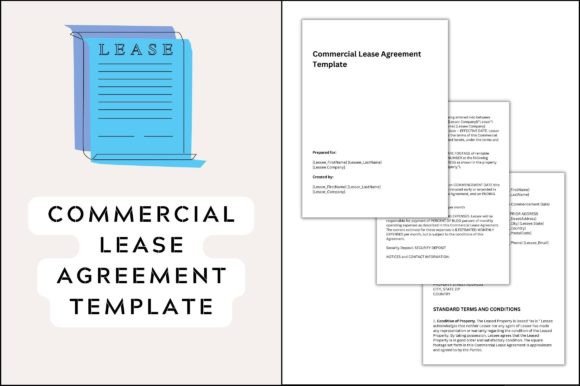
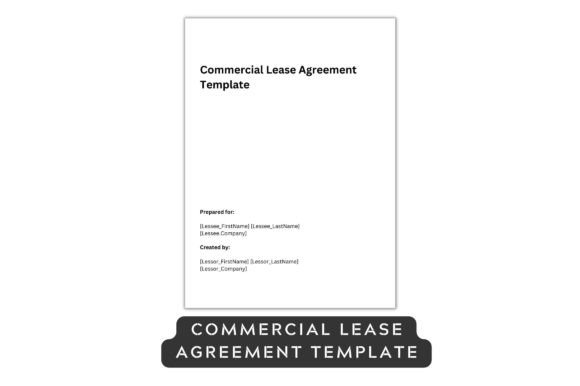
While the template provides the structure, the user must infuse it with specific details to make it legally binding and relevant. When working with an 11-page comprehensive sample, attention should be paid to several core areas:
- Parties Involved: Clearly identify the landlord and the tenant entity. Ensure legal names are used rather than nicknames.
- Premises Description: Be precise about what is being leased. Is it the entire building, a specific suite, or just a portion of a floor? Include square footage if applicable.
- Term and Rent: Define the start and end dates clearly. Specify the rent amount, payment schedule, and any escalation clauses.
- Use Clause: Explicitly state what the business will do on the premises. This protects the landlord from unauthorized activities and the tenant from being forced out if their business model pivots slightly.
- Maintenance and Repairs: Determine who is responsible for what. In many commercial leases, tenants are responsible for interior maintenance, while landlords handle structural issues.
The beauty of an editable file is that you can expand these sections. If your situation involves unique equipment or specific zoning requirements, you can add paragraphs without worrying about breaking the document's layout. The ability to resize elements ensures that even if you add substantial text, the document remains readable and professional.
Making the Decision: Is This Right for You?
Deciding whether to use a template versus hiring a lawyer depends on the complexity of the lease and the value of the transaction. For standard, low-risk leases or initial agreements between trusted parties, a high-quality Simple Commercial Lease Agreement template is often sufficient. It provides the necessary legal provisions while saving time and money. However, for high-value properties, complex multi-year deals, or situations involving significant build-outs, it is always wise to have a legal professional review the finalized document.
Ultimately, the goal is to create a document that fosters a healthy business relationship. A clear, fair, and professionally presented lease sets the tone for the tenancy. It minimizes misunderstandings and provides a reference point should disagreements arise. By leveraging modern, editable tools, businesses of all sizes can achieve a level of professionalism that was once reserved for large corporations. Whether you are a marketer looking to open a flagship store, a blogger needing office space, or a consumer starting a side hustle, having the right tools to manage your agreements is a smart investment in your business's future.
Remember, the best template is one that you understand and can adapt. Take the time to read through the sample files, identify the sections that apply to your situation, and customize them to reflect your specific needs. With the right approach, securing your commercial space becomes less of a legal hurdle and more of an exciting step forward in your business journey.