Understanding and Utilizing a Rental Lease Agreement Template
A Rental Lease Agreement serves as the foundational legal document between a landlord and a tenant, outlining the terms and conditions under which a property is occupied. For homeowners wishing to sublease, real estate agencies managing multiple properties, or small business owners entering the property management sector, having a clear, professional, and legally sound agreement is essential. While custom-drafted contracts offer specificity, many individuals and businesses find significant value in utilizing an editable house rental lease agreement template. These digital resources provide a structured framework that can be customized to fit specific needs while ensuring all critical legal elements are present.
The Role of a Standardized Lease Document
At its core, a rental lease agreement defines the rights and responsibilities of both parties involved in a tenancy. It typically covers crucial details such as the duration of the lease, rent amount, payment schedules, security deposit requirements, and rules regarding property usage. When evaluating whether to use a pre-made template versus hiring legal counsel to draft a document from scratch, one must consider the balance between cost, time, and legal precision.
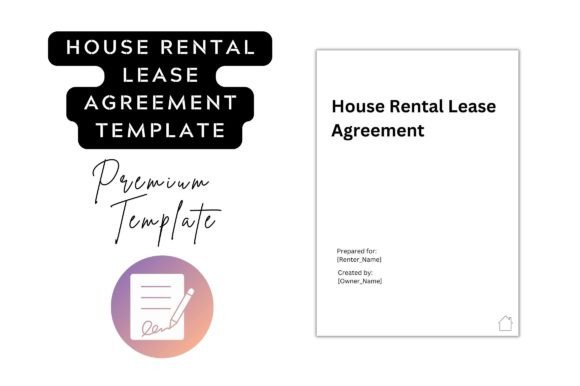
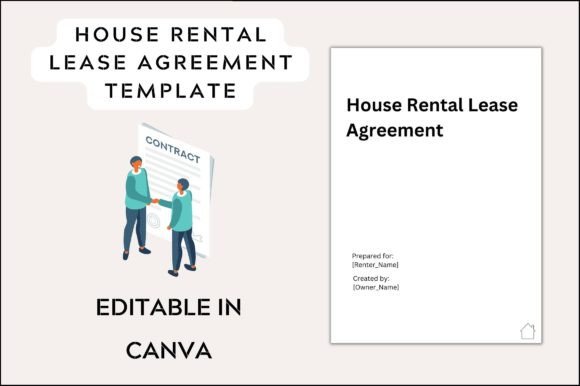
Templates, particularly those designed for easy editing via platforms like Canva, offer a practical solution for those who need to produce professional-looking documents quickly. A standard house rental lease agreement template printable file usually spans about three pages, covering the necessary clauses without unnecessary verbosity. This conciseness helps ensure that tenants can read and understand the terms without feeling overwhelmed, potentially speeding up the closing process and reducing hesitation during signing.
Evaluating the Benefits of Editable Templates
For small businesses and independent landlords, branding and professionalism play a significant role in establishing trust with potential tenants. Using a generic, text-only document found online may suffice legally, but it often lacks the visual polish that instills confidence. An editable template allows users to modify images, colors, fonts, and background elements to align with their brand identity. This customization capability ensures that the document looks official and tailored, rather than generic.
The ability to resize and export files in various formats—such as PDF, PNG, SVG, or JPG—adds another layer of utility. Whether the goal is to print physical copies for an in-person signing or to send a high-quality digital version via email, flexibility in format is a distinct advantage. Furthermore, because these templates are often built on user-friendly design tools, they eliminate the need for advanced graphic design skills. Users can simply drag and drop elements, making the customization process accessible to everyone.
Key Considerations Before Selection
While the convenience of a digital download premium house rental lease agreement template is apparent, users must approach selection with a critical eye. Not all templates are created equal, and the legal validity of a lease depends heavily on local laws and regulations. A template provides the structure, but it does not automatically guarantee compliance with state or municipal housing codes.
When reviewing a template, consider the following factors:
- Comprehensiveness: Does the template include sections for late fees, maintenance responsibilities, pet policies, and termination clauses?
- Clarity: Is the language straightforward and easy to understand for someone without legal training?
- Customizability: Can you easily add specific clauses required by your local jurisdiction?
- Format Compatibility: Is the file compatible with software you already own or can access easily, such as free online design tools?
Situations Where Templates Are a Strong Fit
An editable lease template is particularly well-suited for specific scenarios where speed and presentation are paramount. For instance, a homeowner deciding to sublease a portion of their property may not have the budget for an attorney but still requires a formal agreement to protect their interests. In this case, a three-page, ready-to-print template offers an efficient middle ground.
Similarly, real estate agencies or property management startups often need to onboard multiple tenants rapidly. Having a library of branded, editable templates allows these businesses to maintain consistency across all their dealings. The ability to quickly swap out names, dates, and specific financial figures while maintaining a professional layout can significantly reduce administrative overhead. For small businesses looking to build their brand, presenting a polished lease agreement can differentiate them from competitors who use outdated or poorly formatted documents.
When to Consider Alternatives
Despite their advantages, templates are not a universal solution. There are situations where relying solely on a pre-built form may be insufficient. If a rental arrangement involves complex terms, such as commercial use clauses, unique maintenance agreements, or non-standard payment structures, a generic template may lack the necessary provisions. In such cases, the risk of ambiguity outweighs the benefit of convenience.
Additionally, local housing laws vary significantly. Some jurisdictions require specific disclosures regarding lead paint, mold, or tenant rights that a general template might omit. If a landlord is unsure about local compliance, investing in a consultation with a legal professional or using a service specifically geared toward local legal compliance is a prudent alternative. The template should be viewed as a starting point—a skeleton that requires fleshing out with jurisdiction-specific details to be fully effective.
Making an Informed Decision
Ultimately, the decision to use an editable house rental lease agreement template depends on your specific goals, resources, and risk tolerance. If your priority is to save time, reduce costs, and present a professional image, a high-quality, customizable template is an excellent tool. It empowers users to take control of their documentation process without needing extensive technical or legal expertise.
However, it is vital to remember that a template is a tool, not a substitute for legal advice. Users should carefully review the final document, ensuring that all editable fields are accurately filled and that any additional local requirements are integrated. By combining the efficiency of a pre-designed layout with a thorough understanding of your specific rental situation, you can create a robust agreement that protects both landlord and tenant.
In summary, for those seeking a balance between professionalism and practicality, a well-structured, editable template offers a compelling solution. It streamlines the creation process, enhances brand perception, and provides a solid foundation for a successful landlord-tenant relationship. Whether you are a first-time landlord or a seasoned property manager, evaluating your needs against the capabilities of these digital tools will help you determine the best path forward for your rental agreements.