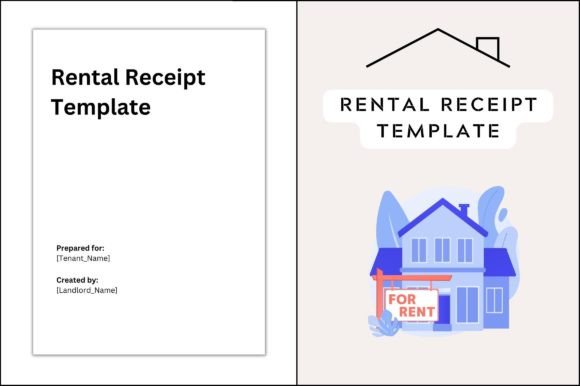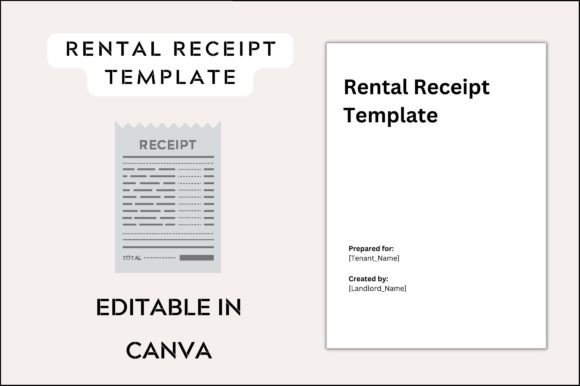
Rental Receipt Template: Professional Design for Landlords
Managing property rentals involves more than just collecting keys and signing leases; it requires a systematic approach to financial documentation that protects both the landlord and the tenant. A Rental Receipt Template serves as the foundational document for these transactions, providing a clear, legal record of payment. For small business owners, independent landlords, and property managers, the visual quality of this document matters immensely. It is not merely a slip of paper; it is a tangible representation of your brand's professionalism and reliability. When you hand over a crisp, well-designed receipt, you reinforce trust and establish a tone of organized competence that resonates throughout the tenancy.
The aesthetic appeal of a high-quality rental receipt lies in its clarity and structure. Unlike generic, handwritten notes or poorly formatted spreadsheets, a premium template utilizes modern typography principles to guide the eye. It typically features a clean layout where essential data points—such as the date, tenant name, property address, amount paid, and payment method—are distinct and easy to locate. The use of whitespace is critical here; it prevents the document from feeling cluttered and ensures that the information stands out. Whether you opt for a minimalist black-and-white design or one that incorporates your specific brand colors, the goal is consistent legibility. This attention to detail transforms a routine administrative task into an opportunity to strengthen your brand identity.
Elevating Brand Perception Through Document Design
In the world of small business and property management, perception is reality. Tenants often judge the professionalism of their landlord based on the quality of communication and documentation they receive. Using an editable rental receipt template allows you to inject your unique brand personality into every transaction. By customizing elements such as fonts, colors, and even adding your logo, you create a cohesive visual language that aligns with your other marketing materials, from your website to your social media graphics.
Consider the impact of typography on this perception. A template that employs a strong, sans serif font for headings conveys modernity and efficiency, while a classic serif font for body text might suggest tradition and stability. The right font pairing can subtly influence how the tenant perceives the value of the service provided. If the receipt looks like it was thrown together in five minutes, it may inadvertently signal a lack of care in property maintenance. Conversely, a polished, professionally designed document suggests that you are diligent, organized, and serious about your business. This consistency builds recognition; over time, tenants immediately recognize your documents, which fosters a sense of familiarity and security.
Furthermore, these templates are versatile enough to serve various niches within the real estate sector. Whether you manage short-term vacation rentals, long-term residential apartments, or commercial office spaces, the core design remains adaptable. The ability to resize elements and adjust the layout means you can tailor the receipt to fit different printing standards, such as A4 or letter size, without losing visual integrity. This flexibility ensures that your brand looks professional whether the receipt is printed on high-quality cardstock or sent as a digital PDF attachment.
Practical Applications Across Creative and Commercial Projects
While the primary function of a rental receipt is transactional, its utility extends far beyond simple billing. For designers and entrepreneurs who offer property management as part of a broader service suite, these templates act as essential design assets. They can be integrated into larger branding packages, ensuring that every touchpoint a client experiences reflects the same level of quality. From editorial design in tenant welcome books to packaging design for move-in kits, the visual style established by your receipt template can set the precedent for all subsequent communications.
The editable nature of these files, often compatible with tools like Canva, makes them accessible even to those without advanced graphic design skills. You can easily swap out images, change background colors to match seasonal promotions, or update font styles to keep your branding fresh. This ease of customization is particularly valuable for marketers and content creators who need to produce consistent visual content quickly. For instance, a snippet of the receipt design can be repurposed for social media graphics announcing rent collection deadlines or highlighting successful lease renewals.
Moreover, the legal implications of a well-structured receipt cannot be overstated. A clear hierarchy of information ensures that there is no ambiguity regarding what was paid and when. This clarity is vital for dispute resolution and tax purposes. By using a template that clearly delineates sections for "Rent," "Security Deposit," or "Late Fees," you reduce the likelihood of misunderstandings. The professional presentation also encourages tenants to treat the document with respect, keeping their own records organized, which benefits everyone involved in the transaction.
Strategies for Customization and Implementation
Selecting the right template is only the first step; optimizing it for your specific needs is where the real value lies. When evaluating a Rental Receipt Template, consider the following practical aspects to ensure it fits your workflow:
- Readability First: Ensure that the font size and contrast are sufficient for easy reading, even for those with visual impairments. High contrast between text and background is non-negotiable for professional documents.
- Brand Consistency: Match the typeface and color palette to your existing logo and website. If your brand uses a specific hex code for blue, apply it here to maintain a unified brand identity.
- Scalability: Test the template by resizing it. A good design should hold up whether it is printed on a standard sheet of paper or scaled down for a wallet-sized card.
- Digital Compatibility: Since many transactions are now digital, ensure the exported PDF is searchable and that the fields are clear when viewed on mobile devices.
- Licensing Clarity: Always verify the commercial licensing terms of the template. Ensure you have the rights to use the design assets for business purposes without attribution issues.
Implementing these templates saves priceless time. Instead of drafting a new receipt from scratch for every tenant, you have a ready-to-use framework that requires only minor updates. This efficiency allows you to focus on more strategic aspects of your business, such as tenant relations and property improvements. Additionally, having a standardized format simplifies bookkeeping and accounting processes, making end-of-month reconciliations much smoother.
Ultimately, the choice to use a premium, editable template is an investment in your business's reputation. It signals to your tenants that you value precision and professionalism. In a competitive rental market, these small details can make a significant difference in tenant retention and satisfaction. By leveraging high-quality design assets, you transform a mundane administrative necessity into a powerful tool for brand building and customer engagement.