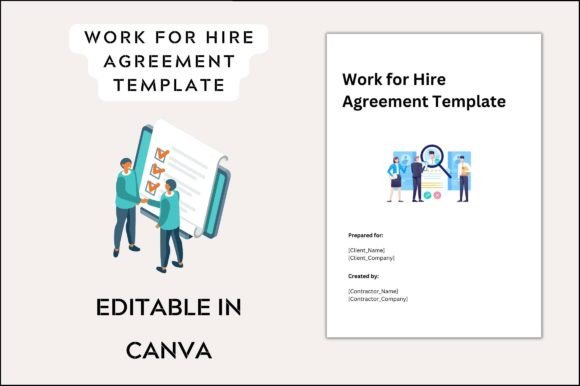
Mastering Intellectual Property Protection with a Printable Work for Hire Agreement
In the modern digital economy, the lines between employment, freelancing, and independent contracting are increasingly blurred. For business owners, content creators, and educators, securing ownership of creative output is not merely a legal formality; it is a fundamental strategy for brand building and asset protection. When a company commissions a logo, a software developer writes code, or a marketing agency drafts copy, the question of who owns that work must be answered definitively before the project begins. This is where a Printable Work for Hire Agreement becomes an indispensable tool. Unlike standard employment contracts, these specific documents ensure that the hiring party retains full copyright ownership from the moment of creation, preventing future disputes and establishing a professional foundation for business operations.
The Strategic Importance of Defining Ownership Early
The concept of "work made for hire" is a specific provision within copyright law that shifts ownership immediately to the employer or commissioning party. Without a written agreement explicitly stating this relationship, the default legal stance in many jurisdictions is that the creator retains the copyright, even if they were paid for the service. This can lead to precarious situations where a business finds itself unable to modify, sell, or fully utilize the very assets it paid to create. By utilizing a Work For Hire Agreement Template Printable For Everyone Editable Simple format, organizations can bypass complex legal drafting processes and immediately establish clear terms.
Consider a small business owner who hires a graphic designer to create a brand identity. If the transaction is handled via a simple invoice without a contract, the designer technically owns the artwork. Should the business wish to expand the brand or license the logo later, they would need to negotiate further permissions. A robust agreement eliminates this ambiguity. It serves as a proactive measure, ensuring that the investment made in creative services yields total control over the resulting intellectual property. This clarity is essential for scaling operations, seeking investors, or eventually selling the business, as all assets are clearly defined and owned by the entity.
Key Components of an Effective Agreement
A high-quality Premium Work for Hire Agreement Template pdf is characterized by its comprehensiveness and clarity. While the specific language may vary based on local laws, the core elements remain consistent across effective documents. The primary section must explicitly define the scope of work. This includes a detailed description of the deliverables, timelines, and milestones. Vague descriptions often lead to "scope creep," where expectations diverge between the client and the contractor. By itemizing exactly what is being produced, both parties align their understanding of the project's goals.
Furthermore, the agreement must contain an unequivocal assignment of rights clause. This is the heart of the document, stating that the work is considered a "work made for hire" and that all rights, titles, and interests belong to the hiring party. In cases where a specific type of work does not strictly qualify as work for hire under statutory definitions, the contract should include a backup assignment clause, effectively transferring the copyright upon completion. Additional critical sections include compensation terms, confidentiality agreements, and termination clauses. These elements protect both the business and the contractor, fostering a relationship built on mutual respect and professional boundaries.
Customization and Adaptability for Diverse Industries
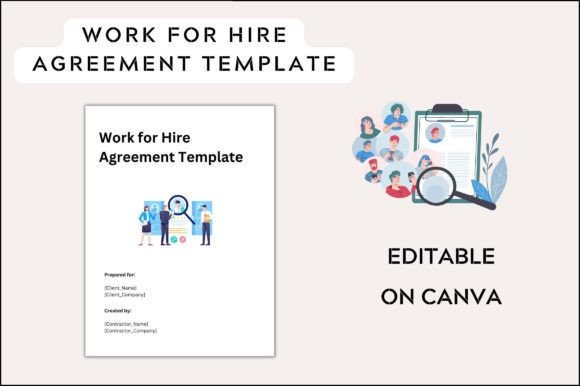
One of the significant advantages of using a Digital Download Premium Work for Hire Agreement Template is its adaptability. No two projects are identical, and a rigid contract may fail to address unique industry requirements. Modern templates, particularly those designed for platforms like Canva, offer extensive customization options. Users can modify fonts, colors, and layout elements to match their corporate branding, making the document look as professional as the services they provide. This level of personalization reinforces the brand image, signaling to contractors and partners that the business operates with a high degree of professionalism.
For instance, a software development firm may need to add specific clauses regarding open-source licensing or data security protocols, while a publishing house might focus heavily on moral rights and translation permissions. An editable template allows users to insert these industry-specific nuances without starting from scratch. The ability to resize documents to A4 or Letter standards ensures compatibility with local printing norms, while the option to export in various formats like PDF, PNG, or SVG provides flexibility for digital signing and archival. This versatility makes such templates ideal for everyone from solo entrepreneurs to established agencies.
Streamlining Workflow with Editable Digital Templates
The traditional method of drafting legal documents involves hours of research, consultation with expensive attorneys, and tedious formatting. In contrast, utilizing a pre-built, editable template dramatically reduces administrative overhead. A Simple Work for Hire Agreement Template Printable For Everyone is designed with user experience in mind. The drag-and-drop functionality found in design tools allows users to swap out placeholder text, adjust spacing, and integrate company logos in minutes. This efficiency frees up valuable time that can be better spent on core business activities such as product development, client acquisition, or strategic planning.
Moreover, the digital nature of these templates supports a paperless workflow until the final signature. Users can customize the document on a tablet or laptop, save multiple versions for different contractors, and distribute them electronically. The inclusion of sample files within the download package serves as an educational resource, guiding users on how to fill out each section correctly. This support structure is particularly beneficial for hobbyists and small business owners who may not have dedicated legal departments. By providing a clear, visual guide, these templates democratize access to professional-grade legal documentation.
Practical Applications Across Various Sectors
The utility of a well-structured work for hire agreement extends far beyond the corporate boardroom. Educators commissioning curriculum materials, researchers hiring data analysts, and authors employing ghostwriters all benefit from clear ownership terms. In the academic sector, for example, a university might hire an external expert to develop a specialized course module. Without a work for hire agreement, the expert could potentially claim ownership of the lecture notes and slides, restricting the university's ability to use them in future semesters. A standardized agreement prevents such intellectual property fragmentation.
Similarly, in the realm of digital content creation, YouTubers and podcasters frequently collaborate with editors, thumbnail artists, and scriptwriters. As these channels grow into substantial businesses, the need to own all associated media becomes critical for monetization and merchandising. A printable agreement provides the necessary legal backbone to secure these assets. Even in informal arrangements, having a signed document protects the creator's revenue streams. It ensures that if a contractor leaves the project, they cannot hold the content hostage or demand ongoing royalties for work already completed.
Ensuring Professionalism and Legal Compliance
While templates offer convenience, it is vital to approach their use with a mindset of diligence. A Work For Hire Agreement Template is a powerful starting point, but it must be tailored to the specific context of the engagement. Users should carefully review the "What's Editable" features to ensure that no critical legal language is inadvertently removed or altered in a way that voids the agreement. It is also prudent to verify that the terms comply with local labor laws and copyright statutes, as regulations can vary significantly by region. For high-stakes projects involving substantial financial investment or complex IP portfolios, consulting with a legal professional to review the customized template is a recommended best practice.
The professional appearance of the document also plays a psychological role in business negotiations. Presenting a polished, branded agreement demonstrates seriousness and organization. It sets a tone of formality that encourages contractors to adhere to deadlines and quality standards. Conversely, a hastily written email or a verbal agreement can appear amateurish and may invite lax performance. By investing time in preparing a comprehensive, visually appealing contract, businesses signal that they value both their own assets and the professional relationship with their partners.
Maximizing Value Through Reusability
The economic value of purchasing a premium, editable template lies in its reusability. Once a business has customized a master file with its branding and standard clauses, it can be duplicated and adapted for countless future projects. This one-time investment yields long-term dividends by eliminating the recurring cost of legal drafting for routine engagements. Whether hiring a web developer for a site update or a copywriter for a seasonal campaign, the framework remains ready to deploy. This consistency also helps in maintaining uniform standards across all vendor relationships, ensuring that every contractor is held to the same expectations regarding IP ownership and confidentiality.
Furthermore, the ability to save these templates in cloud-based formats ensures that they are always accessible when needed. In the fast-paced environment of small business, opportunities often arise unexpectedly. Having a library of ready-to-use legal documents allows a business to move quickly, securing talent and launching projects without administrative delays. The peace of mind that comes from knowing your intellectual property is secure allows leaders to focus on innovation and growth, confident that their brand assets are legally protected.
Final Considerations for Implementation
Implementing a system of formal agreements requires a shift in operational culture. It involves normalizing the request for signatures before work commences. While some freelancers may be accustomed to informal arrangements, most professionals appreciate the clarity that a written contract provides. It outlines payment schedules, delivery dates, and revision limits, protecting the contractor just as much as the client. When introducing a Printable Work for Hire Agreement to your workflow, communicate its purpose clearly: it is a tool for collaboration and protection, not a sign of distrust.
In conclusion, the management of intellectual property is a cornerstone of sustainable business success. The transition from informal understandings to formalized, written agreements marks a maturation of business practices. By leveraging editable, professional templates, organizations of all sizes can secure their creative assets, streamline their administrative processes, and project an image of competence and reliability. Whether you are a solo entrepreneur building a brand from the ground up or an established firm managing a roster of external talent, the right documentation is the key to unlocking the full potential of your collaborative efforts. The ease of customization and the robustness of modern templates make it simpler than ever to ensure that what you pay for is truly yours to keep.