Choosing the Right Halloween Party Invitation: Editable Templates vs. Custom Design
Planning a successful Halloween gathering involves more than just selecting a costume or carving pumpkins; it sets the tone for the entire event. The invitation is the first point of contact with your guests, offering a glimpse into the atmosphere you intend to create. In recent years, the Halloween Party Invitation - Editable format has emerged as a popular middle ground between hiring a professional graphic designer and using rigid, pre-made cards. For adults aged 20 to 50 who value both efficiency and personalization, understanding the nuances of these digital resources is essential for making an informed decision.
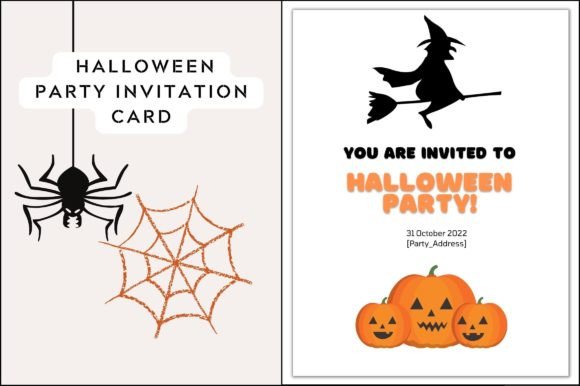
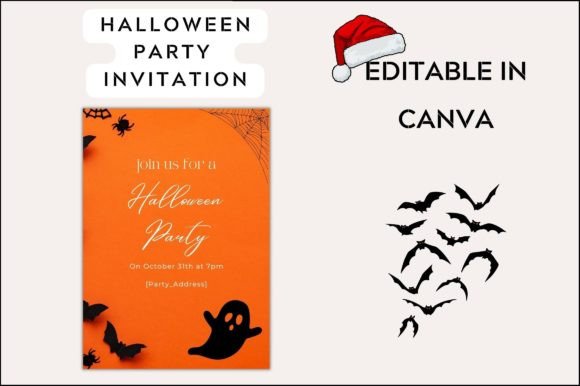
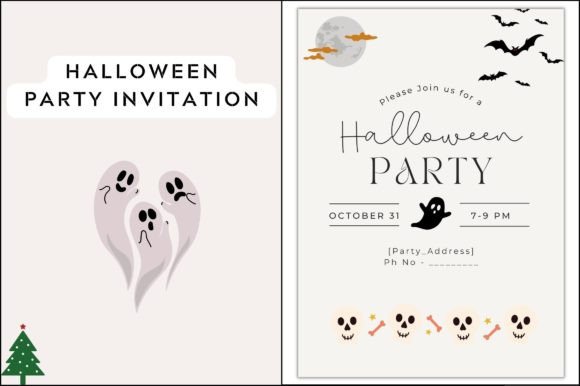
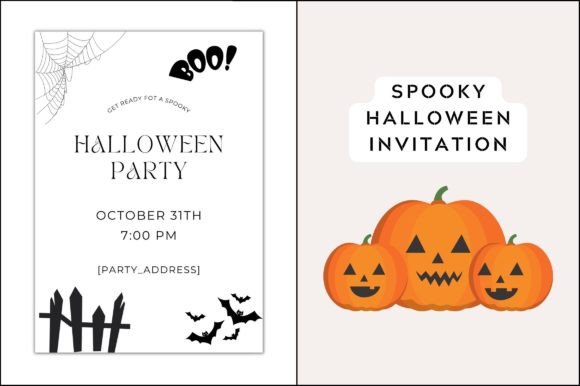
An editable invitation template is essentially a digital file that allows the user to modify specific elements—such as text, colors, images, and layout—before finalizing the design for print or digital distribution. Unlike static PDFs or physical store-bought cards, these templates provide a framework that retains professional design integrity while granting the host full control over the details. When you utilize a Halloween Party Invitation - Editable resource, you are typically accessing a file compatible with common design software or web-based editors, enabling you to drag and drop elements to suit your specific party theme.
The Distinct Advantage of Flexibility
The primary distinction of an editable template lies in its adaptability. Traditional printed invitations purchased at stationery stores often come with fixed fonts and limited space for custom messaging. If your party is a "Haunted Mansion" themed dinner rather than a generic spooky bash, a standard card might not convey the right vibe. With an editable approach, you can alter the font to something more gothic or whimsical, change the background color from bright orange to a muted charcoal, or swap out stock illustrations for photos of your own venue.
Furthermore, these templates usually support resizing without significant loss of quality, provided the source files are vector-based or high-resolution raster images. This means the same design asset can be adapted for a large poster at the entrance of your home, a standard 5x7 inch mailer, or a square graphic optimized for social media stories. The ability to resize at any size ensures brand consistency across all your communication channels, a feature rarely available with off-the-shelf products.
Comparing Formats: Digital Downloads vs. Online Builders
When evaluating options for creating invitations, it is helpful to compare downloadable editable templates against online drag-and-drop builders. Both serve the purpose of customization, but they cater to different workflows and technical comfort levels.
Downloadable Editable Files: These are typically provided in formats like PNG, PDF, JPG, or SVG. The user downloads the file to their local device and edits it using software such as Adobe Photoshop, Illustrator, Canva, or even Microsoft Word, depending on the file type.
- Pros: You own the file permanently. There are no subscription fees required after the initial purchase or download. You can edit offline and have complete privacy over your guest list data.
- Cons: Requires some familiarity with design software. If the file format is complex (like an .AI or .PSD file), users without specific programs may struggle to open them.
Online Drag-and-Drop Builders: Many modern Halloween Party Invitation - Editable templates are designed specifically for browser-based platforms. These allow users to log in, select a template, and modify it directly in the cloud.
- Pros: Extremely user-friendly with intuitive interfaces. No software installation is necessary. Changes are saved automatically.
- Cons: Often requires a paid subscription to access premium templates or to download high-resolution files without watermarks. You are dependent on an internet connection.
For many hosts, the ideal solution is a hybrid: a template that offers drag and drop editable capabilities within a free or familiar platform, combined with the option to free to download in any format once the design is complete. This ensures that you are not locked into a single ecosystem.
Evaluating File Formats and Print Readiness
A critical factor in choosing an invitation resource is the range of file formats included. A robust package should ideally include sample files in PNG, PDF, and JPG, alongside the master editable template. Each format serves a distinct purpose in the invitation lifecycle.
The PDF format is generally the gold standard for printing. It preserves fonts and layout regardless of the printer used, ensuring that what you see on your screen matches the physical output. If you plan to mail physical invitations, prioritizing a template that exports to high-quality PDF is advisable. Conversely, JPG and PNG files are optimized for digital sharing via email, text message, or social media events. PNGs, in particular, support transparency, which is useful if you want to overlay your invitation graphics onto different colored backgrounds in messaging apps.
It is also worth noting the importance of resolution. A template marketed as "ready to print" should offer at least 300 DPI (dots per inch) for physical outputs. Lower resolution files may appear crisp on a smartphone screen but can look pixelated and unprofessional when printed on cardstock. Always verify that the Halloween Party Invitation - Editable file you select specifies high-resolution output options.
Customization Depth: What Can Actually Be Changed?
Not all "editable" templates offer the same level of freedom. Some restrict changes to text only, locking images and background elements in place. Others provide a comprehensive suite of customization tools. When reviewing a template, check specifically for the following editable components:
- Images: Can you replace the default pumpkin or ghost graphics with your own photos? This is vital for personalized touches.
- Color Palette: Is the color scheme fixed, or can you adjust hex codes to match your party decor?
- Elements: Are decorative borders, icons, and dividers movable or removable?
- Background: Can the background color or texture be altered to suit dark mode preferences or specific printing paper types?
The most versatile templates allow you to manipulate all these aspects. For instance, if you are hosting a sophisticated cocktail hour rather than a children's trick-or-treat event, you might want to remove cartoonish elements and switch to a monochromatic color scheme. A restrictive template would force you to keep the playful graphics, potentially confusing your guests about the dress code.
Decision Factors: When to Choose Editable Templates
Deciding whether an editable template is the right choice depends on your specific constraints regarding time, budget, and design skill.
Choose an Editable Template If:
- You need professional-looking results quickly without learning complex design theory.
- You have a specific theme that requires tweaking standard designs.
- You plan to send invitations through multiple channels (both print and digital).
- You want to save money compared to hiring a freelance designer.
Consider Alternatives If:
- You require a completely unique illustration that cannot be achieved by modifying existing assets.
- You have zero access to a computer or smartphone for editing.
- You prefer the tactile experience of handwriting every invitation for a very small, intimate gathering.
Practical Application and Best Practices
To get the most out of a Halloween Party Invitation - Editable template, start by defining your core information: date, time, location, RSVP deadline, and dress code. Have this text ready in a document before you begin editing to streamline the process. When modifying the design, maintain readability. While it is tempting to use elaborate, dripping "horror" fonts for all text, ensure that critical details like the address remain legible. Use decorative fonts for headers and clean, sans-serif fonts for the body text.
Before finalizing your batch, always print a single test copy or send a digital proof to a friend. Check for typos, alignment issues, and color accuracy. Remember that colors on a screen often look more vibrant than they do on paper; a bright neon green on your monitor might print as a dull lime. Adjusting the brightness and contrast in your editor can help mitigate this discrepancy.
Ultimately, the goal is to create an invitation that generates excitement while providing clear logistical information. By leveraging the flexibility of editable templates, you can achieve a bespoke look that reflects your personal style without the steep learning curve of professional design software. Whether you choose to download and print at home or send digital files directly to friends and family, these resources offer a balanced, efficient path to a memorable Halloween celebration.